
(Updated on 17 September 2026)
Microsoft is quietly retiring one of Bing Ads’ automated matching features and folding it into something bigger. If you run Search campaigns on Microsoft Advertising, then this could be worth 10 minutes of your time now rather than a bit of a scramble later.
What’s changing
Predictive Matching has been part of Microsoft Advertising search campaigns for a while. It used your final URLs, ad copy and existing keywords to find additional relevant queries beyond your literal keyword list, so you didn’t have to spot every variation yourself. The downside was that it defaulted to broad match on everything and only worked alongside automated bidding strategies like Maximise Conversions or Target CPA.
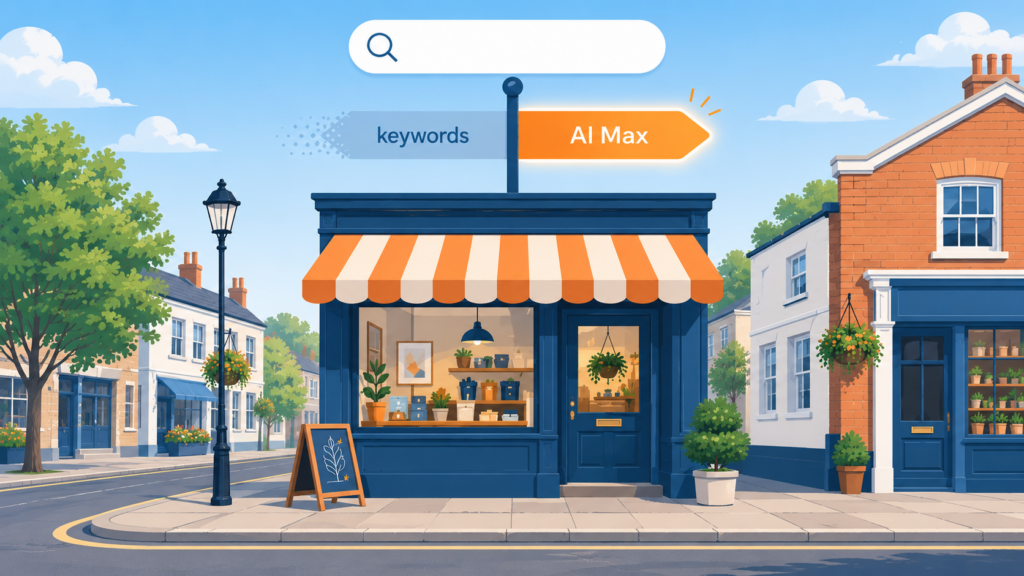
Back in late July this year, Microsoft confirmed that Predictive Matching is being retired and that they were going to use AI Max for search, (the AI layer Microsoft has been rolling out across Bing, Copilot Search and Copilot Answers since April 2026.) AI Max does three things at once: it expands which queries your ads can match up with, it personalises which assets to show, and it also decides which landing page the click gets sent to. There’s no confirmed date yet for when existing Predictive Matching campaigns migrate, or whether that migration is automatic. (Source: ppc.land)
Pros
We’ve known for a while that search behaviour has shifted. People now ask full questions rather than three word phrases, and rigid keyword lists can struggle to keep up. Microsoft’s own pitch is that AI Max reads intent from natural language queries and shows relevant ads without you having to map every possible phrasing by hand. That frees up time you’d otherwise spend building out match type variations, and let’s face it, that’s a bit of a time saver.
Microsoft is also making a specific claim worth noting which is “Unlike other platforms, Microsoft has provided transparency with search term and asset reporting right from the start so you can see how AI is driving results for your campaigns.” (Source: Microsoft Advertising) Advertisers also get to keep one hand on the steering wheel: brand inclusions and exclusions, term exclusions and messaging constraints are all part of the package.
Cons
Bing’s line about “unlike other platforms” is a pointed one, and it’s aimed at Google. Google’s own AI Max for Search campaigns has been tested independently by Adalysis, who found it quietly turns keywords into broad match even when advertisers never chose that, and reassigns clicks and impressions away from the actual keyword that triggered them and onto AI Max instead. Their testing also turned up search terms with no obvious link to any keyword in the account, and brand terms matching to competitor queries. (Source: Search Engine Land) Nobody has run that kind of independent test on Microsoft’s version yet, so I’d treat Microsoft’s transparency promise as a claim to watch rather than a fact to bank on just at the moment. (Edit 17/09/26: I’ve since covered Google’s own AI Max migration in a further blog post in full, including the exact dates and what settings you’ll land on, in “Google Is About to Auto Upgrade Your Search Campaigns”.)
The wider risk sits with control. When relevance decisions come from a model rather than rules you set, performance can move without an obvious cause, and negative keywords stop being a tidy up job and become your main safety net. If you don’t keep on top of it, spend can drift into adjacent, lower value queries a little at a time. And the whole system leans hard on clean conversion data. If your tracking has gaps (not an uncommon scenario), AI Max won’t notice, it’ll just scale the bad data across your account. (Source: Karooya) If you’re not confident your conversion tracking is solid, our two minute CMP check is worth running before you opt into anything AI driven.
It’s also worth asking why this is happening now. Microsoft’s own figures show search ad revenue growth slowed to 10% year on year in Q4 of its 2026 fiscal year. (Source: ppc.land) Unsurprising then that a platform under revenue pressure has every reason to push advertisers towards features that expand matching and, by extension, spend.
Here’s what I think
I’m cautiously in favour, with conditions. Search really is moving towards conversational queries, and pretending Bing Ads should stay keyword only forever isn’t a serious position. But I wouldn’t opt in blind, and I definitely wouldn’t let it run unattended.
Get your conversion tracking checked first. Watch your search term reports weekly, not monthly, while you’re in the early stages. Build your negative keyword list properly rather than treating it as an afterthought. And keep your expectations of Microsoft’s transparency claim realistic until someone runs the same kind of independent test on AI Max for Bing that Adalysis ran on Google’s version. Given how similar the two systems sound, I wouldn’t be surprised if the results tally.
If this feels familiar, it should. I wrote about Google quietly changing how budget constrained Smart Bidding behaves earlier this month, and the lesson is the same one, in that automated features need regular human eyes on them, not a one off setup and a shrug.